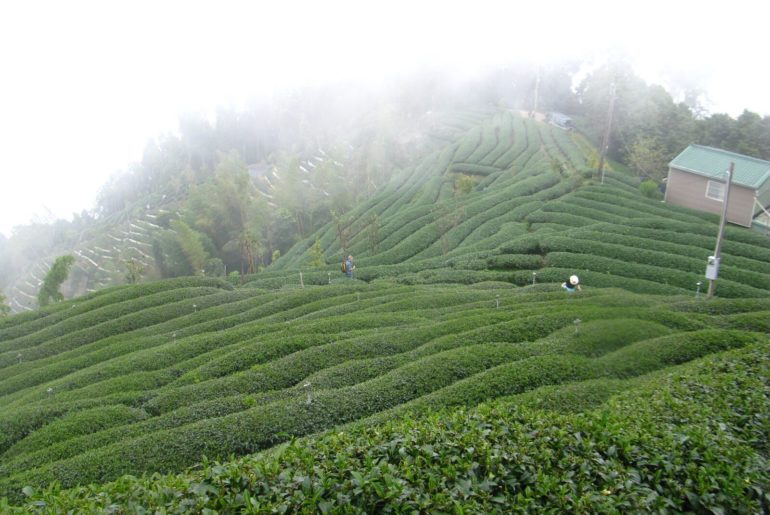
Previously the village doctor, Mr. Lin — a trained physician from a family with generations of single origin tea producers and farmers — gave up his medical practice one day upon realizing that the tea-drinking villagers were just too healthy to need his services. He went back to tea farming with zeal, and decided that he would make his mark in other ways. Discontented with just having grown a true, high mountain, organic Tieguanyin oolong (most organic teas grow on low, flat areas), he has now ambitiously decided to build the first biodynamic tea farm on the highest hill top in his village. Home of the original Tieguanyin, the varietals that grow at his village are the original versions with the best aroma and body. Still not content to leave it at that, he cross hybridized and created a Yellow Gold Tieguanyin Hybrid called Gold Guanyin, which he made into…
Getting started with tasting teas: tips on how to become a connoisseur
How does one taste all the depth and nuances of tea like a pro without going through any extensive training? In the connoisseurship of wine, many folks become certified wine sommeliers only to learn its appreciation at a professional level. Tea is more complex on the palate than wine. Yet few of us have the luxury of training in tea tasting to fully appreciate what tea has to offer. However, you can follow these guidelines below to getting acquainted with the process of how to taste tea like a pro: Preparation is important. In the beginning of your taste journey, be sure to set aside the space and time to devote to tasting and learning, without partaking in food or other drinks that might skew your palate. Developing a palate means you have to start fresh. Avoid garlic, spices, curries, and other pungent herbs at least a few hours prior…
Step into the world of Artisanal Teas
How do you step into the world of artisanal teas? Some of you have experienced whole leaf teas, thinking that as long as it is not fanning in a teabag, you must be drinking artisanal teas. Others feel that there must be a richer experience out there than just scented or blended teas. In reality, the quality level a tea must reach to be considered artisanal is comparable to a restaurant qualifying for the Michelin star. The depth of flavor and breadth of aroma that artisanal teas offer is more than the world of connoisseur wine or cuisine. Learning how to enjoy this realm is actually quite accessible — just follow these tips and step right in: Choose single origin tea: The great terroirs of the world not only produce the most suitable tea plants, but have been doing so for thousands of years, and the tea bushes have adapted…
The Top 5 Things to Never Ever Ever do to your Tea
ADDENDUM morning of 8/20: After sharing with our lead tea curator/ buyer that we had come up with this list she said, “Well none of that matters unless you start with good tea”! We implore you to take her advice and then heed the list below. Most of us have been drinking tea for a good portion of our lives. The ubiquitous teabag, often used once and discarded or post-dip hanging out on a small plate waiting for that second cup of hot water that typically results in a pallid version of the first. Now, there’s nothing wrong per se with tea bags, as they do hold a certain cultural (and emotional) story for us within the Western world. Our aunts, uncles, grandmothers, and grandfathers typically drank tea and sitting down for a large hot pot of dark and creamy black tea with plenty of sugar does hit a certain spot. Still, just as…
Commonly-used tea terms from Asia
Ming Qian: Pre-Ming, literally, before the Ching Ming Festival. This is a Chinese term referring to the same grade of leaves as First Flush. Since Ching Ming Festival occurs around April 2nd to 6th of each year, the late March, early April teas are considered the utmost quality, and is priced by the day. The later the date of plucking, the less expensive. Generally, Pre-Ming is a grade designated for green teas like Longjing (Dragonwell), white teas, and some high value oolongs. Cha Qing: Pronounced Ching (the Q is a ch sound), Cha Qing refers to the raw material green leaves that have just been plucked. It is very important what day, what time, what elevation, which side of the hill, and even who, picked these leaves, which determines the quality and grading and pricing of the finished product. King’s Grade (Cha Wang): This grade has no solid definition, other…
Bringing Tea: Introducing Friends to the Practice of Tea
I hesitate to call it a practice. Truthfully, I even hesitate to introduce tea. With a reputation for being fussy or overly complicated or just foreign it always felt that it had to be the right place and the right time to bring tea to a friend’s house. Typically the intention is of having what is commonly referred to in the tea world as a “session”. This often consists of putting a kettle on, heating a gaiwan or yixing teapot, pulling out the really good tea, being willing to sip out of small tiny cups that look comical, taking some time to sit together, and then allowing time and the conversation to unfold, keep pouring the hot water in, keep pouring the tea out filing cup upon cup until everyone is a little more relaxed and a little more awake. With a bit of courage, and with tea in hand, I drove…